In today’s fast-paced world, background noise can be a significant distraction. It permeates our environments and can hinder our productivity. According to Dr. Emily Johnson, an acoustic expert, “Reducing background noise improves focus and enhances overall well-being.” Her insights help us understand the importance of noise reduction.
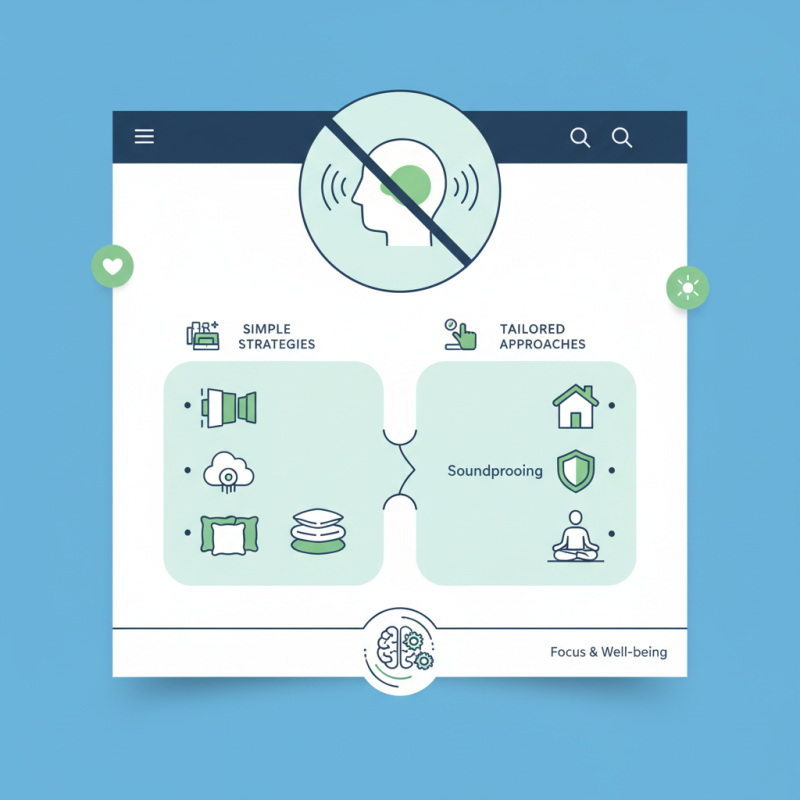
People often underestimate the impact of noise on daily life. Sounds from traffic, conversations, or electronic devices can overwhelm our senses. Knowing how to reduce background noise becomes essential. Simple strategies can transform a chaotic space into one of tranquility. For instance, using soundproof panels or white noise machines can create a more serene atmosphere.
However, not all methods work equally for everyone. Each environment presents unique challenges, making one-size-fits-all solutions ineffective. Some may find relief through soft furnishings, while others might prefer dedicated soundproofing. Reflecting on our specific situations is crucial. By identifying what methods resonate best, we can tailor our approaches to minimize distractions.
Understanding Background Noise: Definitions and Sources
Background noise surrounds us daily. It includes sounds from traffic, construction, and nature. Understanding these noises helps us appreciate how they affect our lives. For example, the hum of a busy street can be distracting. It interrupts our thoughts and reduces our focus.
Identifying sources of background noise is crucial. Homes near highways often experience constant sound. This can lead to increased stress and fatigue. In offices, background chatter lowers productivity. People struggle to concentrate when sounds are prevalent. Sometimes, embracing silence can enhance creativity.
Finding quiet moments is essential for mental well-being. It can be challenging, though. Many environments do not offer the peace we desire. Reflecting on our surroundings is important. What can be improved? Experimenting with noise-canceling techniques or creating dedicated quiet spaces might help. It's a step toward finding balance in a noisy world.
Creative Soundproofing Solutions for Home Environments
Home environments often suffer from unwanted background noise, affecting comfort and productivity. Creative soundproofing solutions can make a significant difference. According to the National Institute of Health, noise pollution can lead to increased stress and reduced focus. Simple methods can effectively mitigate these issues.
One innovative approach involves using acoustic panels. These panels are designed to absorb sound waves, reducing echo and noise levels in a room. A study from the Journal of Environmental Psychology found that incorporating such panels diminished noise complaints in over 60% of participants. Another option is adding mass to walls. This could involve installing extra layers of drywall or using soundproofing materials. The more mass a wall has, the better it can block sound transmission.
Planting indoor greenery can also contribute to noise reduction. Plants can absorb sound and improve air quality simultaneously. Research indicates that greenery can lower noise levels by as much as 5 decibels in urban settings. However, selecting the right species is crucial, as not all plants perform equally. Experimenting with different placements may be required for optimal results. These strategies exemplify how thoughtful, creative measures can transform a noisy environment into a peaceful sanctuary.
Effective Use of Sound-Absorbing Materials in Your Space
Reducing background noise in your environment can greatly enhance comfort and productivity. One effective approach involves the strategic use of sound-absorbing materials. These materials improve acoustics by minimizing sound reflection and reducing overall noise levels. A report from the Acoustical Society of America highlights that using sound-absorbing panels can decrease noise levels by up to 50% in certain settings.
When incorporating sound-absorbing materials, consider options like acoustic panels, carpets, and heavy curtains. Acoustic panels made from foam or fabric can effectively absorb sound waves. Carpeting adds an additional layer of noise reduction through its dense fibers, known to absorb high-frequency sounds. In open office spaces, sound-absorbing dividers have shown to create quieter zones. A study from the Norwegian University of Science and Technology suggests that these measures can increase employee satisfaction and concentration.
However, not every solution works in every space. Sometimes, the design of the room or the arrangement of furniture may limit the effectiveness of sound-absorbing materials. Experimentation is key. Tailoring solutions to fit the unique characteristics of your environment is essential. Taking time to analyze what works best will lead to more productive and peaceful surroundings.
Employing Technology to Mitigate Noise Pollution
Noise pollution is becoming a critical issue in urban environments. It affects mental health, productivity, and overall well-being. Research indicates that chronic exposure to noise can lead to increased stress levels and cardiovascular diseases. According to the World Health Organization (WHO), noise pollution causes about 1 million disability-adjusted life years lost annually in Europe alone. With these statistics, employing technology to mitigate noise pollution is essential.
Innovative solutions are being developed to combat background noise effectively. Soundproofing technologies, such as noise-canceling devices, are widely adopted in both residential and commercial settings. Acoustic panels and sound barriers can significantly reduce the impact of traffic noise or construction sounds. A report from the International Journal of Environmental Research and Public Health highlighted that proper installation of acoustic materials can decrease noise levels by up to 20 decibels. This reduction can lead to a more peaceful environment for individuals.
Though technological advancements offer great promise, challenges remain. Not all devices are equally efficient, and user experience can vary widely. In some cases, individuals may not notice a significant change in noise levels despite using recommended products. This inconsistency raises questions about the effectiveness of noise mitigation strategies. Ultimately, continuous innovation in this field is necessary to ensure that technology can meet the diverse needs of different environments.
Practical Tips for Reducing Noise in Everyday Activities
Reducing background noise can significantly enhance your focus and well-being in daily life. Start by assessing your environment. Identify the primary noise sources. Busy streets, loud appliances, and even chatter can distract you. Once identified, you can adopt practical strategies to mitigate them.
Use soft furnishings to absorb sound. Thick curtains, carpets, and upholstered furniture can help limit unwanted noise. If you work from home, designate a quiet area. Create a workspace away from distractions. Sometimes, a simple white noise machine can mask disruptive sounds effectively. Experiment with listening to calming music or nature sounds while you work.
Consider acoustic panels if you're in a shared space. These can reduce sound reflections and create a peaceful atmosphere. It’s crucial to recognize when noise becomes a problem. Reflect on how much it affects your productivity. Remember, small changes can make a big difference. Prioritizing a quieter environment leads to improved concentration and mental clarity. Adjust your surroundings and observe the results.
FAQS
: Start by identifying noise sources. Use soft furnishings like thick curtains and carpets to absorb sound.
Acoustic panels absorb sound waves. They can reduce echo and lower noise levels in your room effectively.
Yes, certain indoor plants can absorb sound and improve air quality. Choosing the right species is essential.
Experiment with different materials like carpets and heavy curtains. Room layout affects their effectiveness.
Yes, designate a quiet area away from distractions. It helps improve focus and productivity significantly.
Analyze your environment before and after making changes. Notice improvements in comfort and concentration levels.
Heavy curtains can limit unwanted noise by absorbing sound. Thick fabrics are particularly effective for this purpose.
Not every solution suits every space. Testing different arrangements helps find the best results for your environment.
They mask disruptive sounds effectively, creating a more soothing environment for work or relaxation.
Noise pollution can lead to increased stress and reduced focus. Creating a quieter space can help alleviate these issues.
Conclusion
Understanding how to reduce background noise is essential for creating a peaceful environment, whether at home or in the workplace. This article explores the definitions and sources of background noise, highlighting its impacts on our daily lives. Effective strategies include creative soundproofing solutions tailored to personal spaces, as well as the strategic use of sound-absorbing materials to minimize distractions.
Additionally, employing technology, such as noise-canceling devices, can significantly mitigate noise pollution. Practical tips for reducing noise during everyday activities are also provided, enabling individuals to take actionable steps toward a quieter living and working atmosphere. By implementing these techniques, one can effectively improve focus and overall well-being in their surroundings.

 Dubuild Panel